
Radiators cold at the top or bottom? What it means and how to fix it
Where a radiator is cold tells you a lot about what’s wrong. Here’s how to read the signs, what you can safely do yourself and when it’s time to call us.
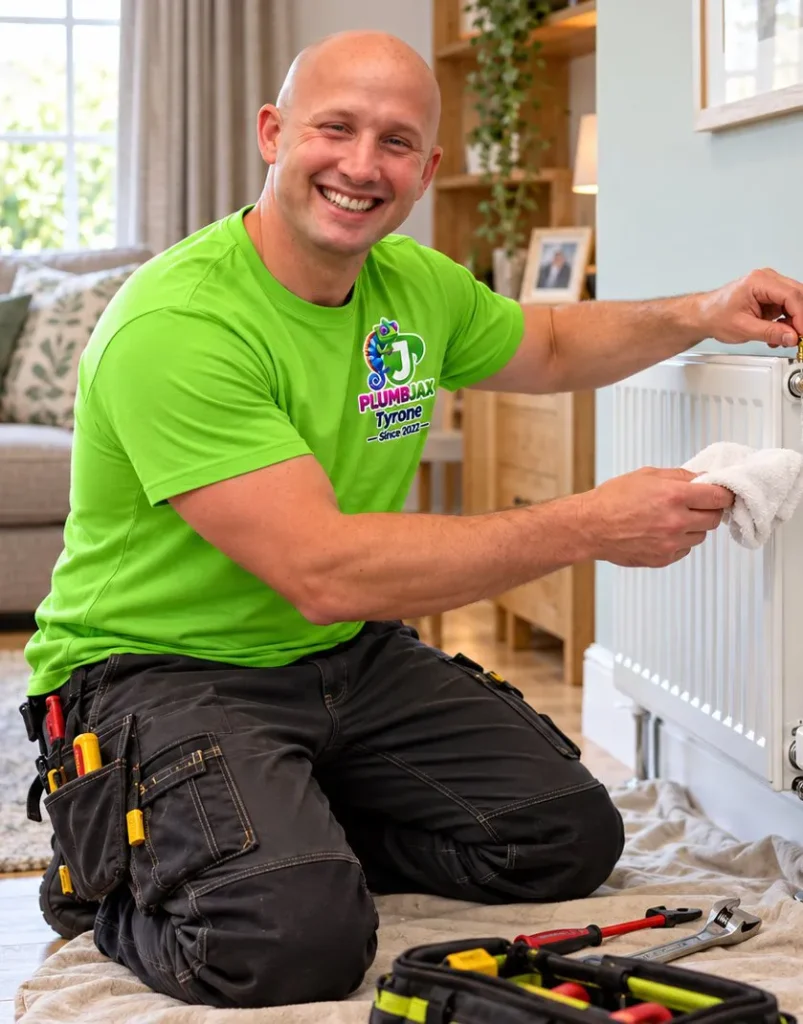
A radiator that’s only partly warm is one of the most common heating complaints we see. The good news is that where it’s cold usually tells you what’s wrong. Turn your heating on, give it 20 minutes, then carefully feel each radiator.
Cold at the top, warm at the bottom
This usually means air is trapped in the radiator. It’s the easiest problem to fix – you just need to bleed it.
How to bleed a radiator
- Turn the heating off and let the radiators cool down, so you don’t get scalded.
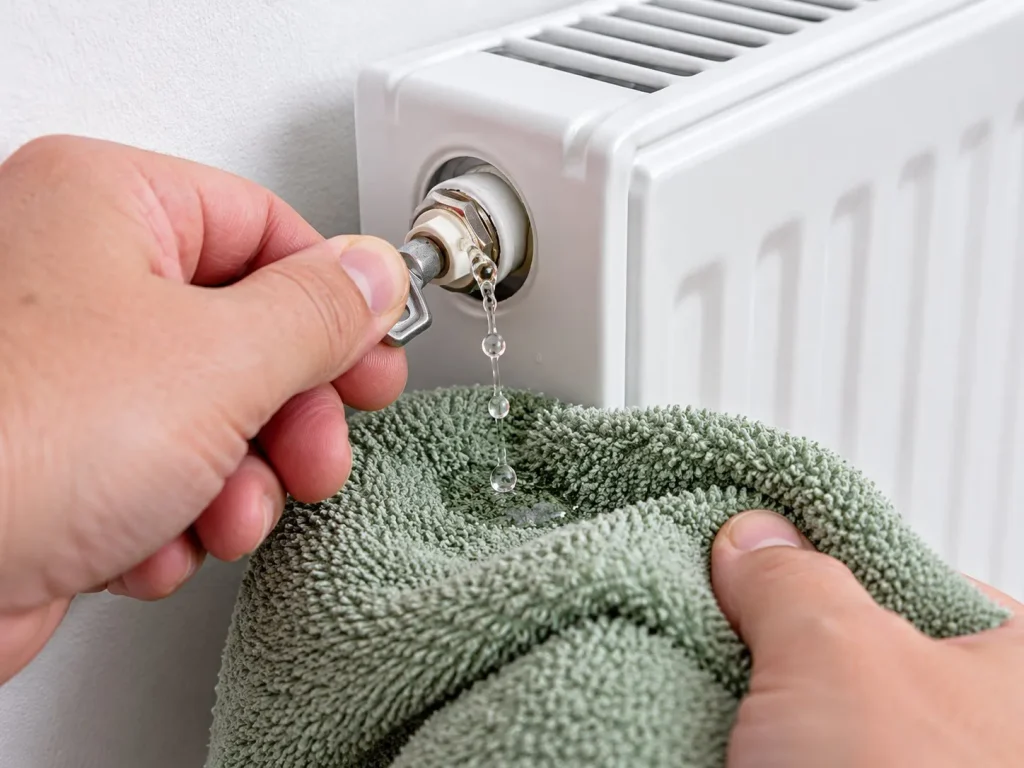
- Find the small square valve at the top corner of the radiator. You’ll need a radiator key, which you can buy cheaply from any DIY shop.
- Hold a cloth under the valve, then turn the key slowly anticlockwise – about a quarter turn. You’ll hear air hissing out.
- As soon as water starts to come out, close the valve again.
- Check your boiler pressure afterwards. Bleeding radiators lowers it, so you may need to top it up to around 1 to 1.5 bar.
Cold at the bottom, warm at the top
This usually points to sludge – a build-up of rust and dirt that settles at the bottom of radiators over time. Bleeding won’t fix it. The usual cure is a powerflush, which cleans the whole system, followed by fresh inhibitor to protect it. A magnetic filter helps keep it clean afterwards.
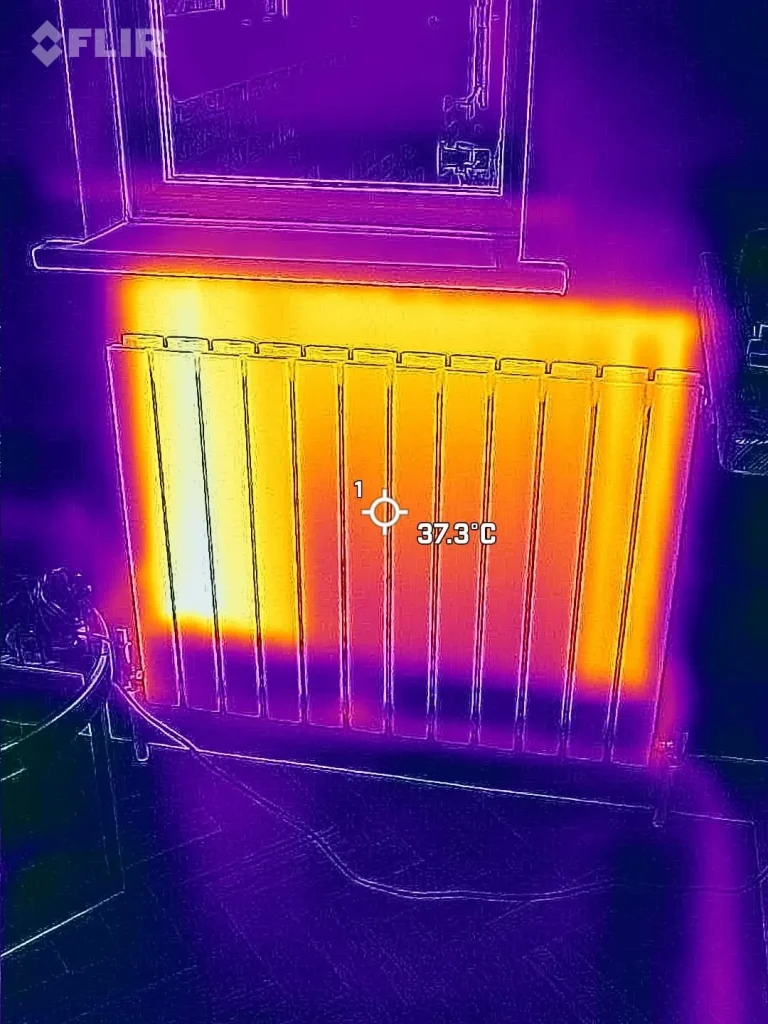
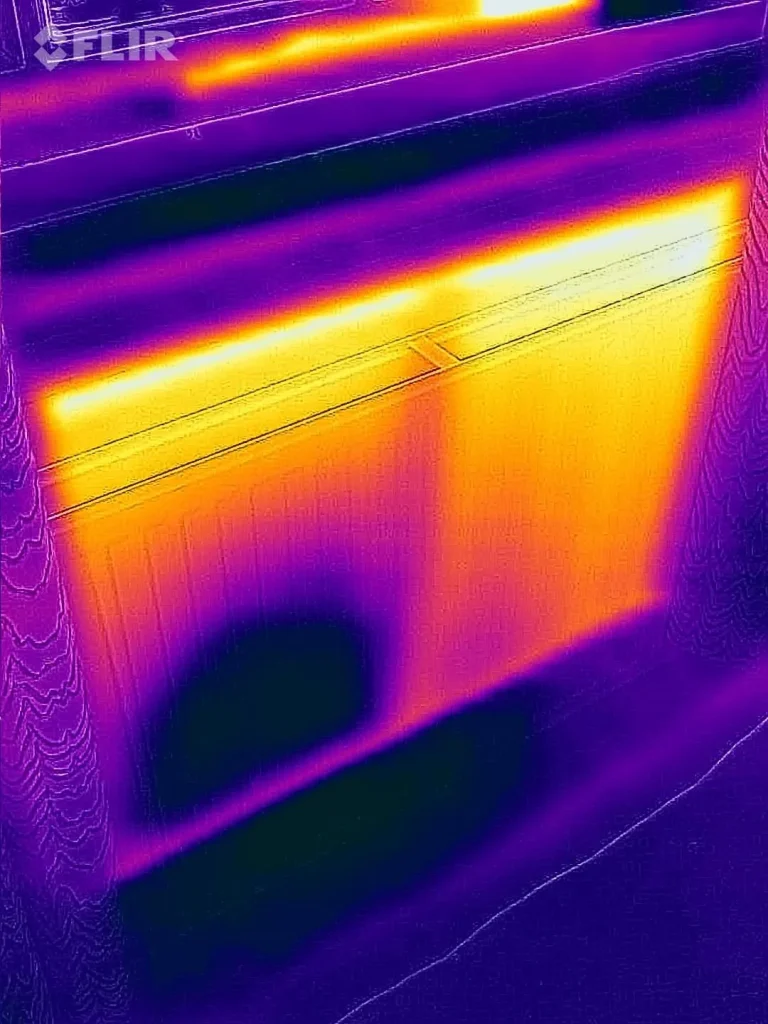
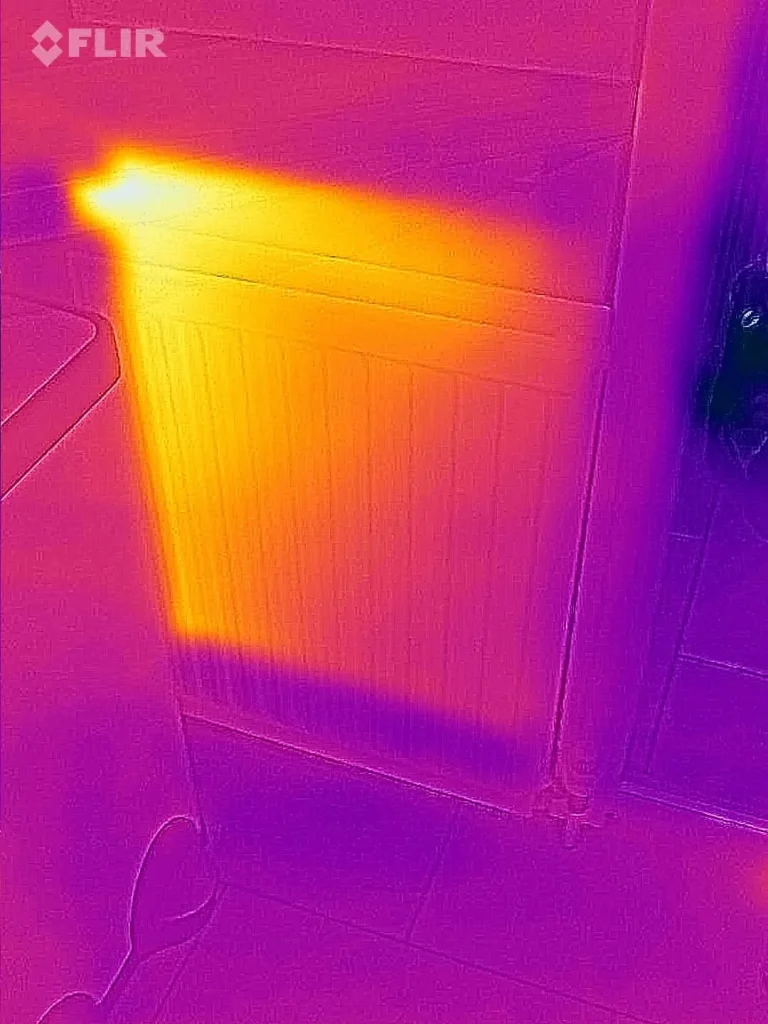
Cold in the middle or in patches
Patchy cold spots often mean sludge too, or a radiator that’s partly blocked. If it’s an older radiator, sometimes replacing it is the better option.
One radiator stone cold, the rest fine
- Check the valve. Make sure the thermostatic radiator valve (TRV) is turned up. The pin inside an old TRV can stick – sometimes it frees up with a gentle tap.
- Bleed it. It may be full of air.
- It could be a blockage or a faulty valve that needs an engineer to look at it.
Radiators far from the boiler are cooler
If the radiators near the boiler get hot quickly but the ones furthest away stay lukewarm, your system probably needs balancing. That means adjusting each radiator’s valves so the hot water is shared out evenly around the house.
All the radiators are cold
If none of them are warming up, the problem is probably not the radiators. It could be the boiler, the pump, a valve or your controls. Our central heating repairs page explains the common causes.
Balancing your radiators: £252
Powerflush, up to 10 radiators: £600
Diagnostic visit if you’re not sure what’s wrong: £78, and it comes off your bill if you go ahead on the day.
See our full price list

Areas we cover
Local to Basingstoke and Alton
Our core area – every service, every day. Just tap your town to find out more.
We also cover
- Aldershot
- Basingstoke
- Bramley
- Camberley
- Church Crookham
- Crowthorne
- Earley
- Farnborough
- Farnham
- Finchampstead
- Fleet
- Frimley
- Hartley Wintney
- Hook
- Newbury
- Odiham
- Reading
- Sandhurst
- Sherfield on Loddon
- Sonning
- Tadley
- Thatcham
- Tilehurst
- Twyford
- Winchester
- Winnersh
- Wokingham
- Woodley
Can’t see your area? Message us and we’ll let you know if we can help.